|
|
Florham Park ~ Sparta ~ Paramus ~ New York City
Phone: 973-539-1000
|
|
|
From the Desk of Renata A. Mizak, Esq.
|
|
|
|
|
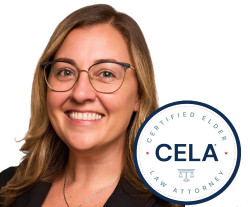
Renata A. Mizak, Esq.
Certified Elder Law Attorney
Email: RMizak@spsk.com
Direct Line: 973-295-3680
|
|
|
|
|
Happy New Year!
Welcome to the January edition of our newsletter. As we step into 2026, two major updates could impact you: an increased federal estate tax exemption and significant changes to Medicaid. Here is what you need to know:
Federal Estate Tax Exemption — Now $15 Million Per Person
Effective January 1, 2026, the federal estate and gift tax exemption rose to $15 million per individual — or $30 million for married couples using portability. Beginning in 2027, this amount will be indexed for inflation. The top tax rate on amounts above the exemption remains 40%.
Medicaid in 2026 — Stricter Rules & Renewed Requirements
Several changes take effect this year that could impact Medicaid eligibility and coverage:
-
End of enhanced federal funding (FMAP): Extra federal support for ACA Medicaid expansion ends January 1, 2026. States will shoulder more costs, which may lead to tighter eligibility or reduced services.
-
Work & community engagement mandates: Many expansion enrollees (non-disabled adults ages 19–64) must complete 80 hours/month of work, education, volunteer service, or similar activities to maintain coverage.
-
More frequent eligibility checks: Recertification moves from annual to every six months for many expansion enrollees.
-
Immigrant eligibility restrictions: Coverage narrows to certain lawfully present groups; undocumented immigrants and some refugee/asylee categories may lose eligibility.
-
Reduced retroactive coverage: Pre-application coverage shrinks from three months to one month for many non-disabled adults.
-
Funding and provider access concerns: States face about $1 trillion in federal cuts over the next decade under the “One Big Beautiful Bill” (OBBBA), which could mean reduced access, lower provider rates, and narrower benefits.
What This Means for You:
The new $15 million exemption offers a unique opportunity to revisit your estate plan. If you’ve been considering large gifts or trust updates, now is the time to review your strategy and maximize this higher limit.
On the Medicaid side, stricter eligibility rules, more frequent recertifications, and new work requirements could affect access to long-term care and other benefits. Proactive planning is essential. If you are concerned about preserving assets, qualifying for care, or adjusting your estate plan under these new rules, you should consider scheduling time with our team to discuss your options and keep your plan aligned with your goals.
|
|
|
|
|
|
|
Sarah focuses her practice on developing comprehensive estate plans and helping her clients navigate the complexities of estate, trust and tax planning, including the preparation of numerous wealth preservation vehicles such as Spousal Lifetime Access Trusts (“SLATs”), Irrevocable Life Insurance Trusts, Dynasty Trusts and Qualified Personal Residence Trusts to assist high net worth clients maximize the elevated estate tax exemption. Whether you are looking to revitalize your tax planning strategy or to simply refresh your estate plan, Sarah is happy to help.
|
|
|
|
|
|
|
|
A Creative Way to Craft Your Estate Planning Legacy
|
The ultrawealthy provide insights about how to use trusts to transfer and protect wealth and how to have money conversations with heirs.
|
|
|
|
|
|
|
|
Planning for Low Affordability: Strategies for Homebuyers
|
As boomers live longer, spend more in retirement, and hold onto their homes, many younger adults are discovering that the inheritance they hoped would help level the playing field isn't coming, or will be far smaller and far later than expected. This widening intergenerational homeownership gap has consequences for Americans on both ends of the spectrum.
|
|
|
|
|
|
|
|
Protecting Loved Ones From Funeral Debt
|
As the median cost of a funeral in the United States, including viewing and burial, reaches more than $8,000, new findings reveal that one in three Americans are taking on debt to cover a loved one's funeral expenses.
|
|
|
|
|
|
|
|
Probate Law: A Look Across States
|
Trusts are a common tool for bypassing probate, but states offer other options as well. These vary widely, underscoring the importance of understanding local laws if probate avoidance is a priority.
|
|
|
|
|
|
|
|
New Research on Dementia Risk Factors, Screenings
|
Reducing the risk of developing dementia and identifying risk early can prove essential for older adults. A growing body of research links dementia to loneliness, depression, insomnia, and even food insecurity.
|
|
|
|
|
|
|
|
Some Older Adults May Qualify for a New $6,000 Tax Break
|
As of the 2025 tax year, many older Americans may realize a new tax benefit thanks to a provision in the One Big Beautiful Bill Act.
|
|
|
|
|
|
|
|
Do Medicare Benefits Cover Skilled Nursing Care?
|
Understanding Medicare's rules for care in a skilled nursing facility (SNF) is useful for older adults, people with disabilities, and family caregivers, particularly because confusion about SNF coverage can lead to unexpected bills.
|
|
|
|
|
|
|
|
New Long-Term Care Insurance Premium Deductions for 2026
|
Many people assume they will never need long-term care. However, nearly 70 percent of adults age 65 and over will require such services at some point in their later years. Long-term care insurance (LTCI) can help older adults afford the long-term care services they may one day need.
|
|
|
|
|
Florham Park: 220 Park Avenue, Florham Park, New Jersey 07932
|
|
|
Sparta: 351 Sparta Avenue, Sparta, New Jersey 07871
|
|
|
Paramus: 115 West Century Road, Suite 100, Paramus, New Jersey 07652
|
|
|
If you would like to unsubscribe and stop receiving these emails click here. |
|
|
|