
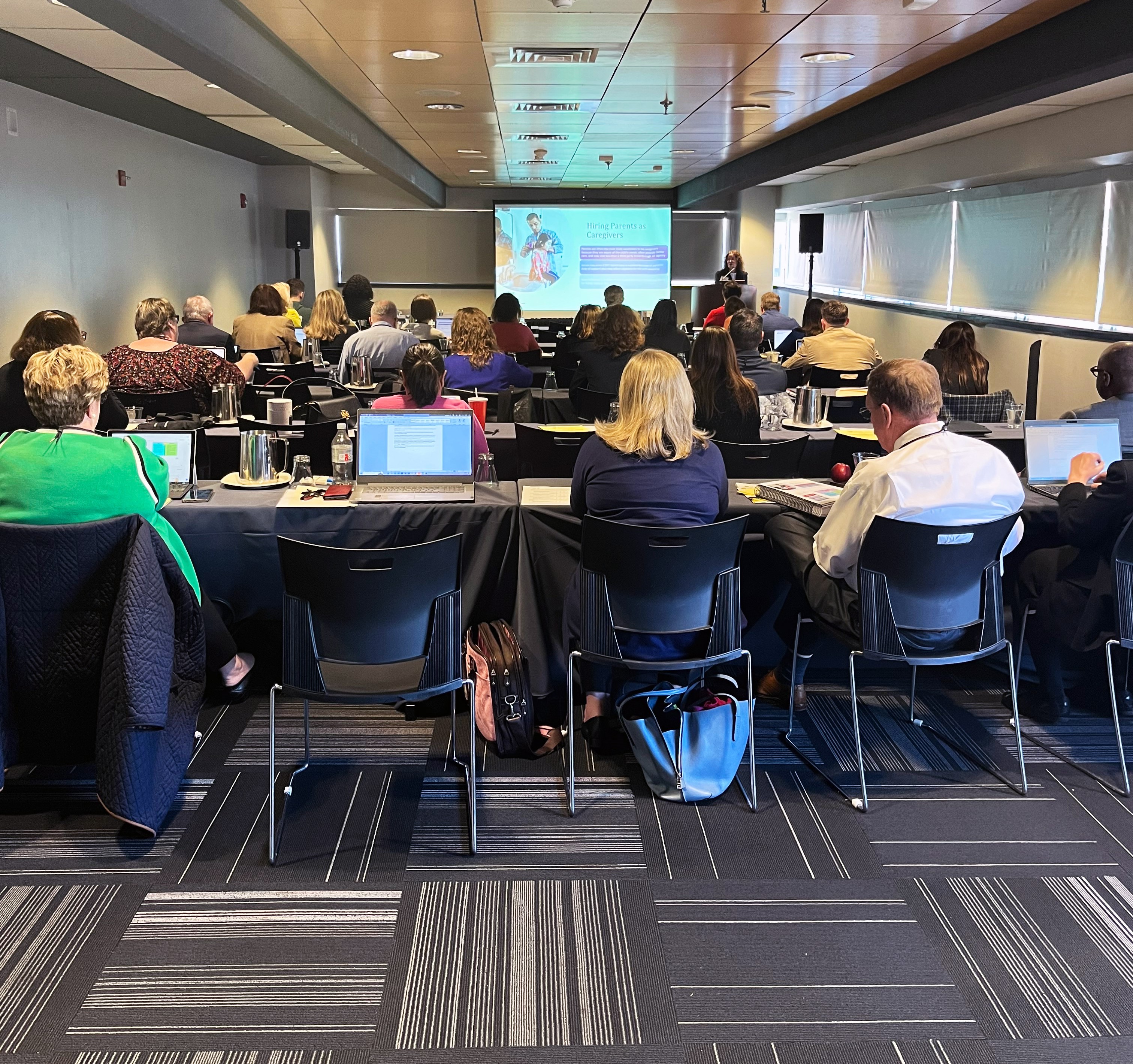
 Among this year’s memorable Academy of Special Needs Planners Annual Meeting pre-sessions was a presentation by Michigan attorney and ASNP member Michelle (Fuller) Urbatsch. In her talk, “Traps for the Unwary During SNT Administration,” Urbatsch explained how special needs planning attorneys can best guide trustees of special needs trusts in expertly managing SNTs to improve a beneficiary’s quality of life.
“The pitfalls are many, and they are not just related to following the POMS or not following the POMS,” Urbatsch told attendees. “Sometimes, following the POMS means not doing something that’s in the best interest of your client.”
When an SNT trustee receives a disbursement request, several considerations are important – among them the following, as outlined by Urbatsch:
The first consideration is the distribution standard. There are two general types of distribution standards.
The Supplemental Distribution Standard
The supplemental standard is typically used when the primary goal of the trust is to preserve benefits. It is often the default distribution standard, according to Urbatsch. The standard prohibits trustees from allocating any funds that would disqualify Supplemental Security Income (SSI) beneficiaries or reduce their payments.
SSI monthly income reduces by a third when a beneficiary receives payment from an SNT for food and shelter. This reduction is constant regardless of how much money they get for food and shelter.
Depending on the life circumstances of the beneficiary, this standard can be restrictive, particularly given high costs of living. Giving the beneficiary income for shelter might be in their best interests, even if it reduces their SSI income. If the person with a disability receives Supplemental Security Income, it is important to consider how long the individual is expected to be on SSI.
Should the trust protector, beneficiary, and trustee conclude that this standard harms the beneficiary’s living situation, the court may allow the standard to change. Sometimes, the trust terms allow the standard to change.
The Discretionary Distribution Standard
The discretionary standard allows more freedom and is preferred. Though it is less restrictive than the supplemental standard, other methods can limit the trustee’s powers and serve as checks and balances.
Trusts utilizing the discretionary standard allow distributions that affect public benefits eligibility. The trustee must carefully evaluate how distributions could trigger rules regarding SSI in-kind support and maintenance.
Beware the HEMS Standard
Attorneys and SNT trustees should be wary of the health, education, maintenance, or support (HEMS) standard. This standard can render the beneficiary ineligible for public benefits.
Paying for Food or Shelter
Since making distributions for food and shelter affects SSI benefits, trustees should look at the overall effect these types of distributions could have on beneficiaries, balancing the effect on benefits with other considerations.
Shelter includes gas, electricity, water, sewer, heating fuel, garbage removal, real estate taxes, and rent or mortgage payments. Food includes restaurant meals and groceries.
Sometimes, improving the beneficiary’s standard of living can be worth reducing or eliminating SSI benefits. The trustee can then pay the beneficiary’s food, gas, electricity, water, sewer, heating fuel, and garbage removal for a fixed SSI reduction.
Keep in mind that since the SSI lowers to one-third of the total federal amount, those with low SSI awards might lose or significantly reduce their benefits.
Paying for the Care and Needs of a Beneficiary’s Minor Child
While paying for pets via an SNT is fairly straightforward, using funds to support children can be more complex. Public policy supports paying for a child’s needs.
- For a third-party SNT, paying for children’s needs is generally permissible as long as the trust’s terms do not prohibit it.
- For a first-party SNT, it is good practice to secure a court order.
Buying a Car
Purchasing one automobile with trust funds does not affect benefits eligibility.
Caregiving
Paying for third-party caregiving services or paying a family member to provide care should not impact public benefits eligibility. The Social Security Administration cannot ask family member caregivers to supply medical certifications.
Funding caregiving can be more nuanced for minor beneficiaries whose parents provide care, as the trust cannot fund parents to perform normal parental duties. Parents have a duty to support their children.
When hiring a caregiver, the trustee should evaluate whether to make them an employee or an independent contractor. If someone hired as an independent contractor lacks autonomy and acts like an employee, the individual might become an employee under the law.
Paying for Companion Services
The trust can support companions. For instance, the trust could fund a sitter for an older adult with dementia while the family goes out.
Travel expenses and incidental expenses for the companion may be included. This could cover tickets to an outing for the beneficiary and their companion.
“I always get some sort of note from a care provider, medical provider, whether it’s a therapist or doctor, and stick it in the file that this person can’t travel alone,” Urbatsch said. “Then you’ve got someone independent saying it’s in this person’s best interest, medically speaking, that they require companionship.”
Traveling to Visit the Beneficiary
Paying for travel to visit the beneficiary is allowed. However, the expenses must be reasonable.
Making Donations to Charity or Church
Making donations can be an important part of the beneficiary’s religion. For first-party SNTs, donations are disqualifying transfers. Third-party SNTs can permit donations.
Trust Distribution Methods
The distribution method is crucial since the beneficiary cannot receive cash from the trust.
- Trustees may pay third-party vendors directly. They may also reimburse third parties if they are not the beneficiary.
- Gift cards for stores that do not sell food and shelter, such as Macy’s, a bookstore, or an electronics store, are permissible. The gift card must have a legally enforceable prohibition on its resale.
- Trustees must be account holders on prepaid cards. When the beneficiary is the account holder, the money counts as unearned income.
- True Link disbursements can transfer trust funds, but trustees should know how funding certain things affects benefits eligibility.
- Using credit cards is allowed. Paying for food and shelter with a credit card jeopardizes benefits.
- The Program Operations Manual System authorizes funding Achieving a Better Life Experience (ABLE) accounts. Distribution from SNTs to ABLE accounts provides beneficiaries with greater independence and self-determination.
Urbatsch is the founder of Michigan Law Center, P.L.L.C., and president of nonprofit Advocacy, Inc. She also formerly served as the Chair of the Elder Law and Disability Rights Section of the State Bar of Michigan. Recently, she was appointed Special Assistant Attorney General to assist in settlement planning for the Flint Water cases.
 Subscribe to the Knowledge Bank.
